
Polarisierung | Depolarisierung – Herausforderungen für Politik, Medien und Gesellschaft
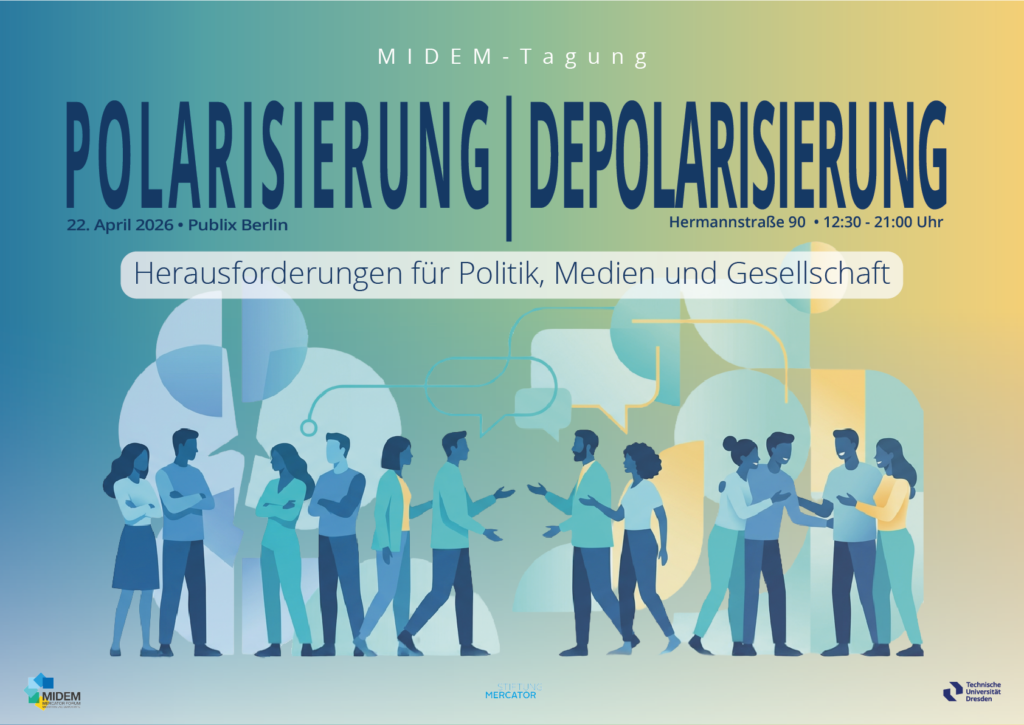
Affektive Polarisierung prägt in zunehmendem Maße gesellschaftliche und politische Auseinandersetzungen und stellt liberale Demokratien vor erhebliche Herausforderungen. Gemeint ist damit die emotionale Aufladung politischer Konflikte: In ohnehin kontroversen Debatten – etwa zu Migration oder Klimapolitik – treten Gefühle der Zugehörigkeit zu Gleichgesinnten ebenso hervor wie Misstrauen, Ablehnung oder Feindseligkeit gegenüber Andersdenkenden.
Affektive Polarisierung ist dabei keineswegs per se demokratieschädlich. Sie verweist darauf, dass politische Fragen als bedeutsam erlebt werden – und ist insofern eine Grundbedingung von öffentlichem Streit und demokratischem Diskurs. Gleichwohl zeigen aktuelle Entwicklungen, dass etablierte deliberative Verfahren angesichts zunehmender emotionaler Zuspitzung an ihre Grenzen stoßen. Ein hohes Maß an affektiver Polarisierung kann ein verfestigtes „Wir-gegen-sie“-Denken hervorbringen, das Dialogbereitschaft, Kooperation und soziale Integration untergräbt – und unter bestimmten Bedingungen Intoleranz, Eskalation und politische Gewalt begünstigt.
Vor diesem Hintergrund kamen am 22.04.2026 Akteure aus Wissenschaft, Politik, Medien und Zivilgesellschaft zur Tagung „Polarisierung I Depolarisierung – Herausforderungen für Politik, Medien und Gesellschaft“ zusammen, um über gegenwärtige Polarisierungsdynamiken in Deutschlandzu diskutieren.
