
(De-)Polarisierung verstehen – Herausforderungen für Politik, Medien und Gesellschaft
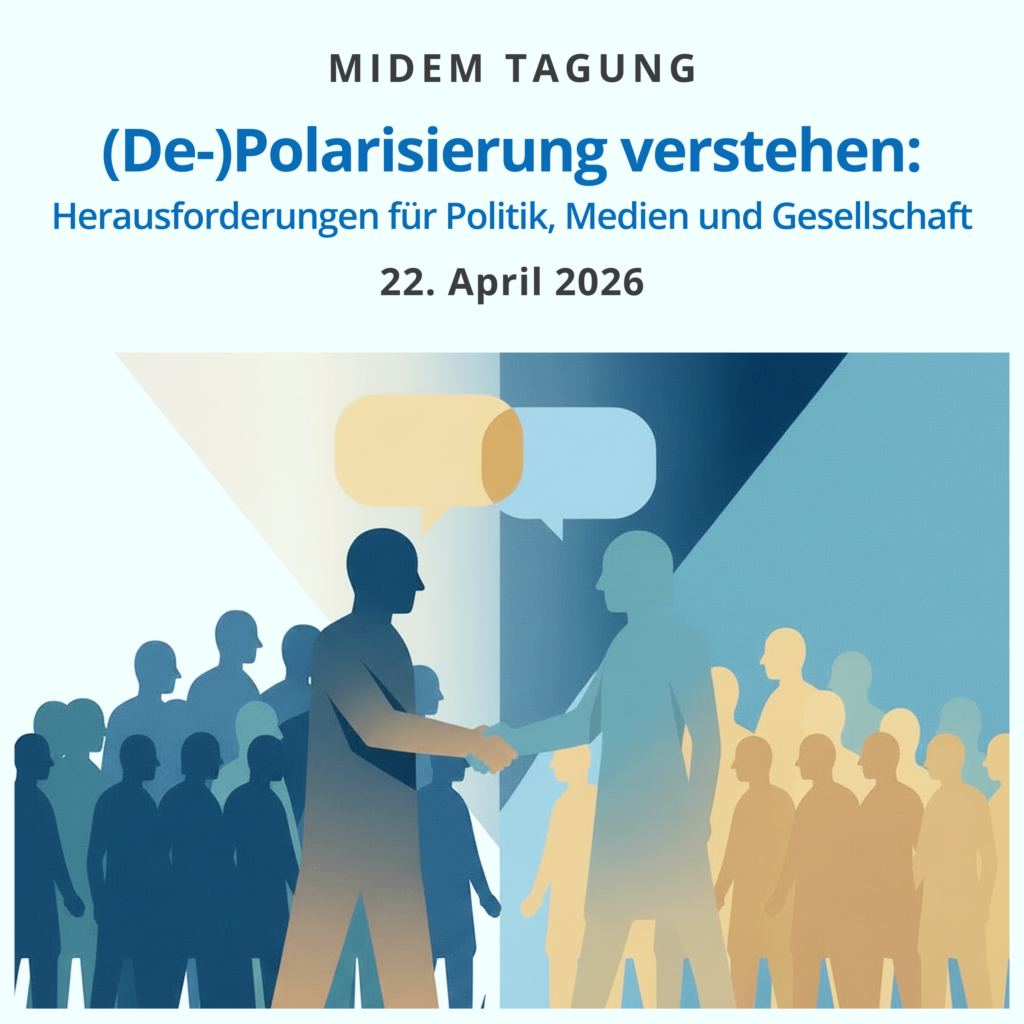
Affektive Polarisierung prägt in zunehmendem Maße gesellschaftliche und politische Auseinandersetzungen und stellt liberale Demokratien vor erhebliche Herausforderungen. Gemeint ist damit die emotionale Aufladung politischer Konflikte: In ohnehin kontroversen Debatten – etwa zu Migration oder Klimapolitik – treten Gefühle der Zugehörigkeit zu Gleichgesinnten ebenso hervor wie Misstrauen, Ablehnung oder Feindseligkeit gegenüber Andersdenkenden.
Affektive Polarisierung ist dabei keineswegs per se demokratieschädlich. Sie verweist darauf, dass politische Fragen als bedeutsam erlebt werden – und ist insofern eine Grundbedingung von öffentlichem Streit und demokratischem Diskurs. Gleichwohl zeigen aktuelle Entwicklungen, dass etablierte deliberative Verfahren angesichts zunehmender emotionaler Zuspitzung an ihre Grenzen stoßen. Ein hohes Maß an affektiver Polarisierung kann ein verfestigtes „Wir-gegen-sie“-Denken hervorbringen, das Dialogbereitschaft, Kooperation und soziale Integration untergräbt – und unter bestimmten Bedingungen Intoleranz, Eskalation und politische Gewalt begünstigt.
Vor diesem Hintergrund widmet sich die Tagung „(De-)Polarisierung verstehen – Herausforderungen für Politik, Medien und Gesellschaft“ einer differenzierten Analyse gegenwärtiger Polarisierungsdynamiken in Deutschland.
Polarized Democracies: New Lines of Divison in Europe
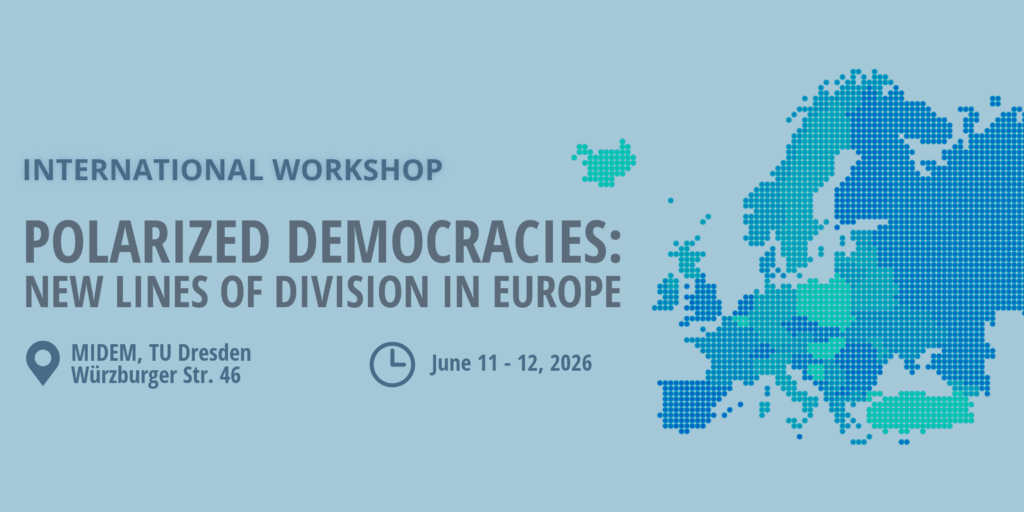
Political polarization has become a recurring theme in debates about the state of European democracies. It shapes how citizens relate to political opponents, how parties position themselves, and how trust in democratic institutions is maintained or eroded. Polarization is visible across several arenas — including conflicts over values, identity, and social inequalities, as well as public debates about migration and cultural change, which often evoke strong emotional and moral reactions.
At the same time, scholarship cautions against overly dramatic or one-dimensional accounts of polarization that overlook its complexity, variation, and ambiguous democratic implications. Understanding when polarization becomes harmful — and when it reflects legitimate democratic contestation — remains an important analytical challenge.
This workshop brings together early career researchers (advanced doctoral and postdoctoral) from across Europe to examine how different forms of polarization emerge, how they intersect with issues such as migration and identity, and how they reshape democratic life. It aims to link empirical findings and theoretical perspectives on political and affective polarization, radical-right mobilization, media environments, and strategies for strengthening democratic cohesion and resilience.
More educated, more pro-immigration?

Education is often seen as a key to fostering inclusive attitudes toward immigration and strengthening social cohesion in diverse societies. But can education alone deliver on this promise? In this talk, Lenka Dražanová will present a new policy paper that critically examines this assumption. Drawing on 20 years of data from the European Social Survey […]
In Our Interest: How Democracies Can Make Immigration Popular

Alexander Kustov will present his newly published book, in which he argues that showing people how immigration benefits them and their fellow citizens can lead to greater acceptance of open policies. Looking beyond the stereotype of xenophobic voters, he identifies people’s genuine concern for compatriots as a key driver of immigration attitudes. Using extensive cross-national surveys and experiments, this book demonstrates voters tend to oppose freer immigration because they believe it threatens their countries, but can be persuaded if they see immigration policies as in their interest.
