
Das Versprechen der Freiheit und das unzufriedene „Volk“: Ostdeutsche im Transformationsprozess
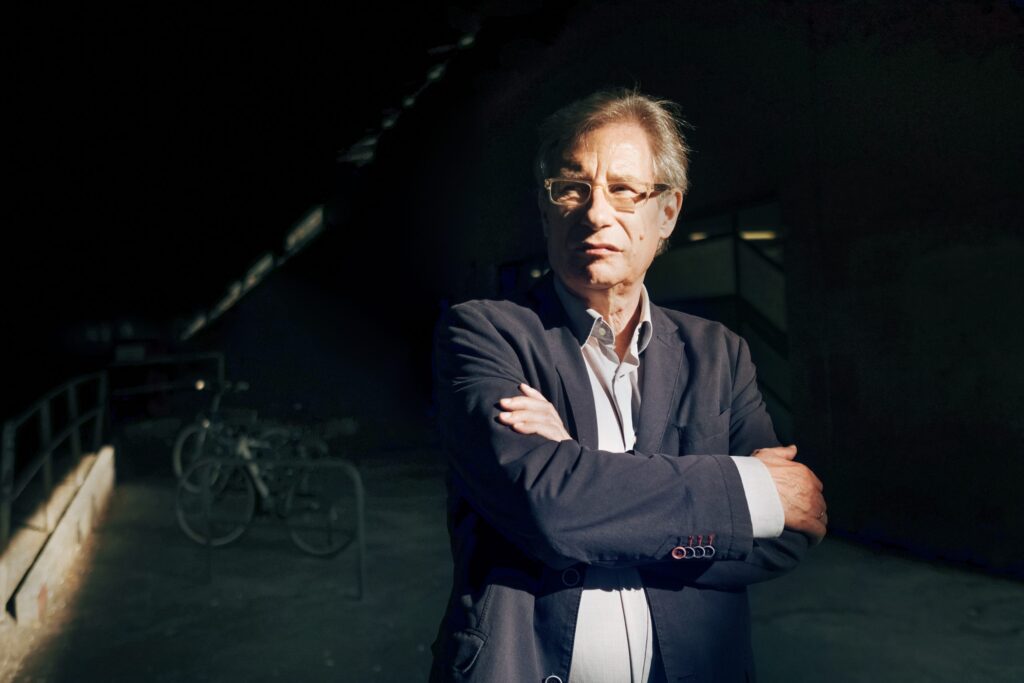
Ostdeutsche stilisieren sich im öffentlichen Diskurs gern als Opfer der deutschen Einheit. Tatsächlich haben sie sich aber von der friedlichen Revolution bis heute als mächtiger politischer Akteur erwiesen. So ging einerseits im revolutionären Umbruch von 1989 die Dynamik von der Bevölkerung aus. Andererseits beherrscht heute die ostdeutsche Bevölkerung durch ihr Wahlverhalten und nicht zuletzt durch ihren Opferdiskurs die öffentlichen Debatten.
Lea Ypi: Freiheit, Würde und historische Ungerechtigkeit – Die Geschichte meiner albanischen Familie

Am 21.10.25 fand im Rahmen der Henry Arnhold Dresden Summer School 2025 und in Kooperation mit dem Mercatorforum Migration und Demokratie (MIDEM) und dem Deutschen Hygiene-Museum Dresden ein Vortragsabend mit der Philosophin und Autorin Lea Ypi statt. Im Mittelpunkt stand ihr neues Buch Aufrecht, in dem sie anhand der Lebensgeschichte ihrer Großmutter Leman Ypi zentrale […]
More educated, more pro-immigration?

Education is often seen as a key to fostering inclusive attitudes toward immigration and strengthening social cohesion in diverse societies. But can education alone deliver on this promise? In this talk, Lenka Dražanová will present a new policy paper that critically examines this assumption. Drawing on 20 years of data from the European Social Survey […]
Kooperationsveranstaltung mit dem DHMD: Über die Freiheit heute – das Ende der Illusionen?

In Kooperation mit dem Deutschen Hygiene-Museum Dresden lädt das Mercator Forum Migration und Demokratie (MIDEM) zu einem Diskussionsabend ein, der sich den unterschiedlichen Vorstellungen, Bestrebungen und Erfahrungen von Freiheit in Tschechien, Polen und (Ost-)Deutschland widmet – sowohl in der Zeit vor als auch nach dem Fall des Eisernen Vorhangs.
Ausgewählte Expert:innen analysieren zentrale historische Zäsuren, politische Umbrüche und prägende Akteure:
Welche Spuren hinterließen die Niederschlagung des Prager Frühlings oder die Solidarność-Bewegung? Wie wirkten diese Erfahrungen auf die Ausprägung unterschiedlicher Freiheitskonzepte und Staatsverständnisse nach 1989? Inwiefern unterscheidet sich die Transformationsphase in den ostmitteleuropäischen Staaten von jener im wiedervereinigten Deutschland?
Und wie positionieren sich diese Länder heute – in Bezug auf Fragen von Sicherheit, Nation, westlicher Demokratie und ihr Verhältnis zu Putins Russland? Welche Bedeutung kommt dem Rechtspopulismus in der aktuellen Debatte um Freiheit zu – und ist womöglich bereits das Ende politischer Illusionen erreicht?
Exploring the Migrant Deservingness Gap

In her talk Kris-Stella Trump explores how migrants tend to be perceived as less deserving than native-born citizens when it comes to welfare state benefits. The difference in attitudes toward otherwise similar native-born citizens and migrants has been termed the migrant deservingness gap. This paper explores whether the deservingness gap can be closed by running […]
Zwischen Ankommen und Bleiben: Perspektiven der Arbeitsmarktintegration ukrainischer Geflüchteter

Hunderttausende Ukrainerinnen und Ukrainer sind seit 2022 nach Deutschland geflohen – viele mit der Hoffnung auf Rückkehr, andere mit dem Wunsch zu bleiben. Doch was bestimmt ihre Entscheidung? Welche Rolle spielen Arbeit, Familie, Integration? Und wie gelingt der Schritt in den deutschen Arbeitsmarkt?
Im Rahmen der Langen Nacht der Wissenschaften laden wir ein zu einem Gespräch mit Expert:innen, Praktiker:innen und Geflüchteten. Neben wissenschaftlichen Einblicken aus aktuellen Forschungsprojekten berichten Ukrainer und Ukrainerinnen selbst von ihren Erfahrungen und Herausforderungen.
Internationale Konferenz: Left and Right Political Radicalisms: Issue Positions of Parties and Voters in the Face of Global Crises

The workshop aims to primarily analyse and compare the evolving issue positions of radical left and right political actors in response to several global crises, including the refugee crisis and the Russian invasion of Ukraine. By focusing on both the supply and demand side of politics, the workshop will explore how these parties and their voters have navigated traditionally divisive issues and whether the ideological gap between the far right and the radical left has narrowed or widened. The workshop will bring together leading as well as early career scholars specializing in radical left and right political movements.
The reaction of the radical right to democracy protection measures

In his presentation, Erik Zignaigo will explore how radical right movements in Italy and Germany have responded to democracy protection measures introduced in the aftermath of the 2009 economic crisis. By referring to the Italian and German cases, this research intends to investigate the reaction of the radical right to democracy protection measures. Both countries […]
In Our Interest: How Democracies Can Make Immigration Popular

Alexander Kustov will present his newly published book, in which he argues that showing people how immigration benefits them and their fellow citizens can lead to greater acceptance of open policies. Looking beyond the stereotype of xenophobic voters, he identifies people’s genuine concern for compatriots as a key driver of immigration attitudes. Using extensive cross-national surveys and experiments, this book demonstrates voters tend to oppose freer immigration because they believe it threatens their countries, but can be persuaded if they see immigration policies as in their interest.
Migrationspolitik im Wandel: Herausforderungen und Perspektiven

Am 9. und 10. April 2025 fand im ProjektZentrum Berlin der Stiftung Mercator die zweitägige Fachtagung „Migrationspolitik im Wandel: Herausforderungen und Perspektiven“ statt. Zum Abschluss der Koalitionsverhandlungen bot die Veranstaltung ein Forum für den Austausch über zentrale Fragen der Asyl-, Migrations- und Integrationspolitik. Vertreterinnen und Vertreter aus Wissenschaft, Verwaltung, Medien und Zivilgesellschaft kamen zusammen, um […]
